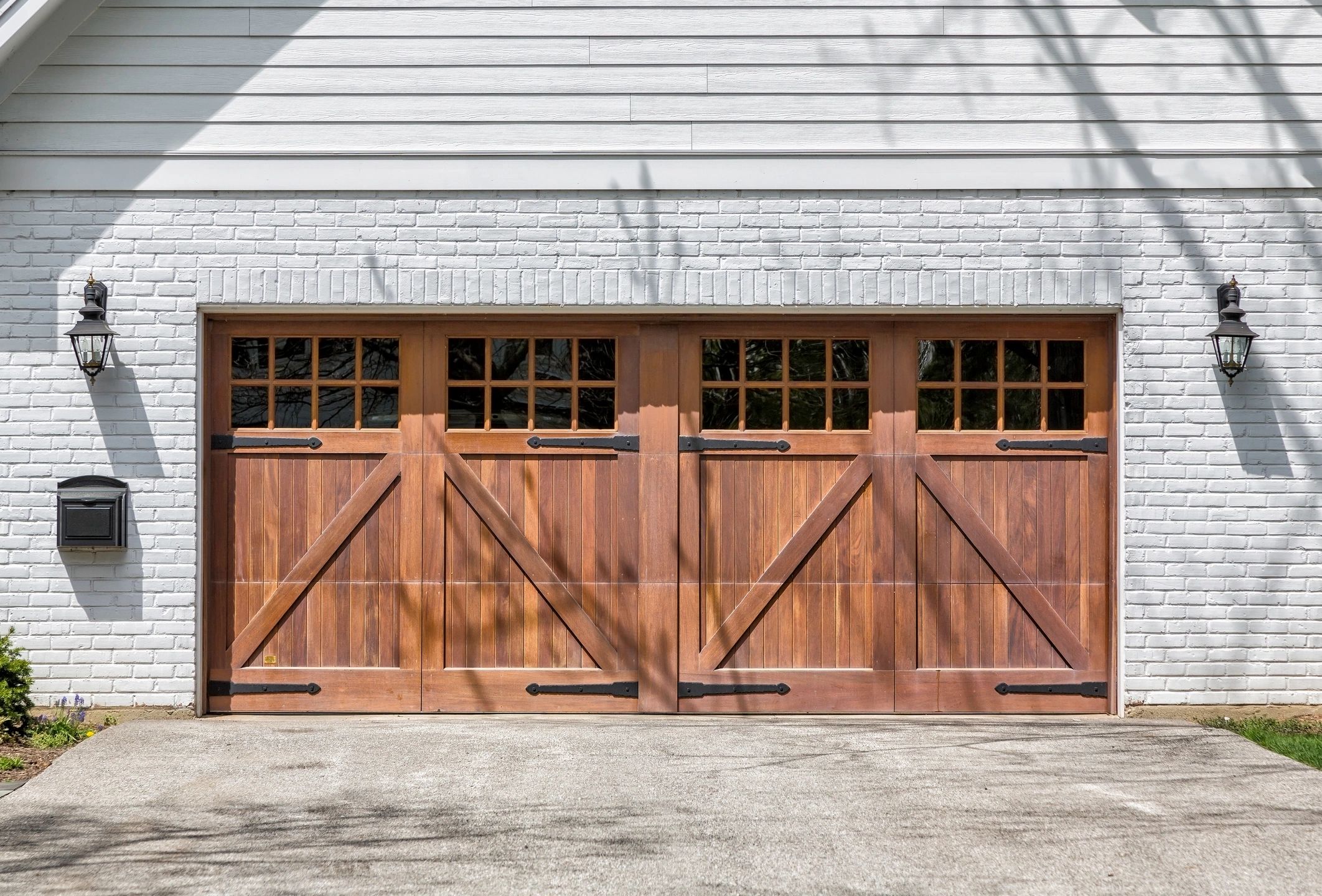
Are you planning to build a new garage or replace your existing door? The first question you might have in mind is the height of your new garage door. The height of the door will have a direct influence on the efficiency of the door in your home or commercial space. In this article, we will cover the standard height of a garage door, the importance of the door’s height, and the options available for residential or commercial use.
Standard Residential Garage Door Heights
The height of a residential garage door has been standardized over the years. The standard height of a residential door will provide the necessary clearance for your vehicles, at the same time meeting the construction requirements of the door.
7 Feet: The Classic Standard
The most common height of a residential door is 7 feet or 84 inches. This height has been the standard for many years. The height of 7 feet will provide the necessary clearance for most of the cars, SUVs, or small trucks.
From a construction point of view, a door of this height will provide the necessary headroom for the door. This height has been the standard for many residential homes.
8 Feet: Extra Clearance for Taller Vehicles
The height of the door has been rising in recent years. The new height of 8 feet or 96 inches has gained popularity in many residential homes. The extra foot of height will provide the necessary clearance for the following:
- Taller vehicles: The extra foot of height will provide the necessary clearance for the taller vehicles in your home. The extra height will allow you to store your taller vehicles in the garage.
- More interior space: The extra height of the door will provide the necessary space for the interior of the home. You can install additional shelves or racks in the home.
Taller Options: 9 to 10 Feet and Beyond
While not as popular, garage doors measuring 9 or 10 feet in height are available, especially for particular needs such as:
To accommodate larger trucks or vans without modifications
- To improve access for boats, trailers, or campers
- To suit unique architectural designs
How Width and Height Interact
The height of the garage door is one factor, but the width also plays an important role, especially in relation to the height, to ensure smooth access to the garage. To give you a better idea, here are some garage door sizes for single- or double-car garages:
- Typically, single-car garage doors are 8 to 9 feet wide.
- Two-car garage doors average 16 feet in width, with the height usually measuring 7 or 8 feet.
Given these, if your garage opening is 16 feet wide by 7 feet tall, it is likely the standard size for double garage doors commonly used in suburban homes.
Some homes also have two single garage doors instead of one double garage door, depending on the home’s design or driveway location.
Commercial or Industrial Garage Doors
Garage doors for commercial or industrial use are quite different from residential garage doors. For businesses, the garage door is likely taller or possibly wider to accommodate the needs of the industry or business.
Here are the typical industry standards for garage door sizes for commercial or industrial use:
- Light commercial garage doors are likely 10 to 12 feet tall.
- Warehouse or industrial garage doors could be 14 to 18 feet tall or more.
- Heavy industrial or specialized garage doors could be custom-built up to 20 feet or taller.
Such doors are also designed to accommodate the passage of trucks and other equipment that are normally used in commercial establishments.
Why Garage Door Height Matters
Vehicle Fit and Safety
Perhaps the most obvious reason for selecting the correct garage door height is the issue of safety and fit. A door that is too short will not only scrape the roof accessories of your vehicle but will also not allow the passage of larger vehicles.
Sufficient clearance above your vehicles will ensure that your garage interior is not damaged and that accidents are minimized in the course of daily activities.
Headroom and Mechanics
Headroom refers to the space between the top of the door and the garage ceiling. The height of the door will also affect the headroom required for the door’s mechanisms. Taller doors require greater headroom for the door tracks and springs.
It is always recommended that professionals measure the headroom to ensure that the selected door is tall enough and will not interfere in the course of its operation.
Future Flexibility
It is recommended that you choose a garage door that is taller than you will ever need in order to save some money in the long run. If you are planning to get a larger vehicle in the near future or are planning to use your garage for storage purposes, then an 8- or 9-foot door will prove to be much more useful than settling for a 7-foot door.
How to Measure for a Garage Door Height
To ensure that you have the right height for your door:
- Measure from the floor to the top of the door opening.
- Make sure that there is enough room in the garage ceiling to accommodate the necessary door tracks.
- Also, consider whether you currently have large vehicles and whether you anticipate acquiring larger vehicles in the future.
Custom Garage Doors: When Standard Isn’t Enough
There are some garages that don’t have standard door sizes. This could be as a result of unique architectural designs, geographical locations, and unique uses such as storing recreational vehicles.
Custom doors can be created to ensure that you have a door that is not only tall but also wide. These types of doors are more expensive to purchase.
Conclusion
The height of a garage door is usually a function of whether it is used in a domestic setup or a commercial setup. In a domestic setup, it is usually 7 feet or 8 feet tall. However, 8 feet is usually preferred since it provides more room for tall vehicles and other items. In a commercial setup, it is usually taller, reaching 10 feet and more.
Choosing the right garage door size is crucial for ensuring the perfect fit for your home. If you’re unsure, twingaragedoor.com offers a wide range of expert advice and products to help you make an informed decision. Visit our site to explore more options and get personalized recommendations.